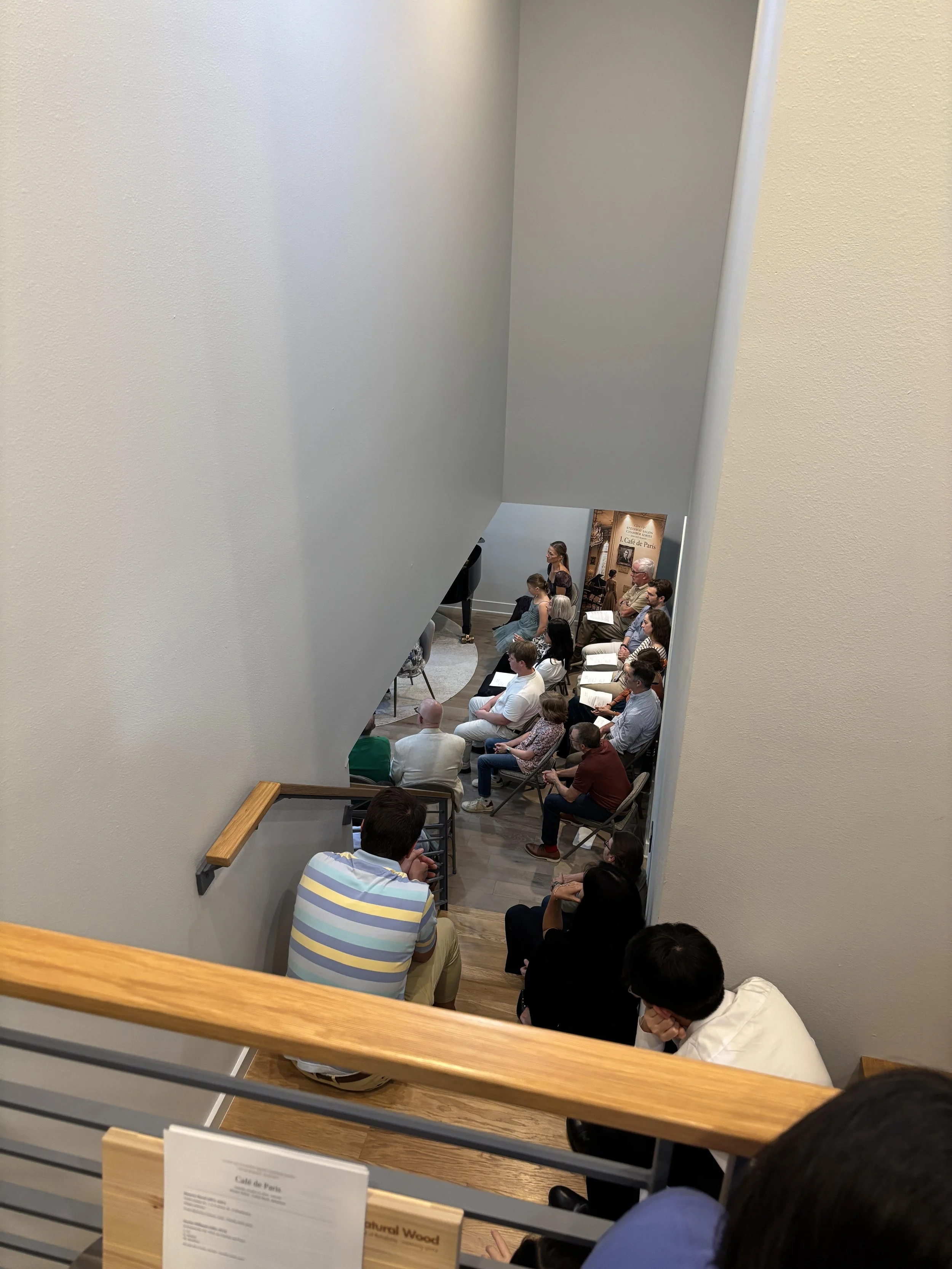
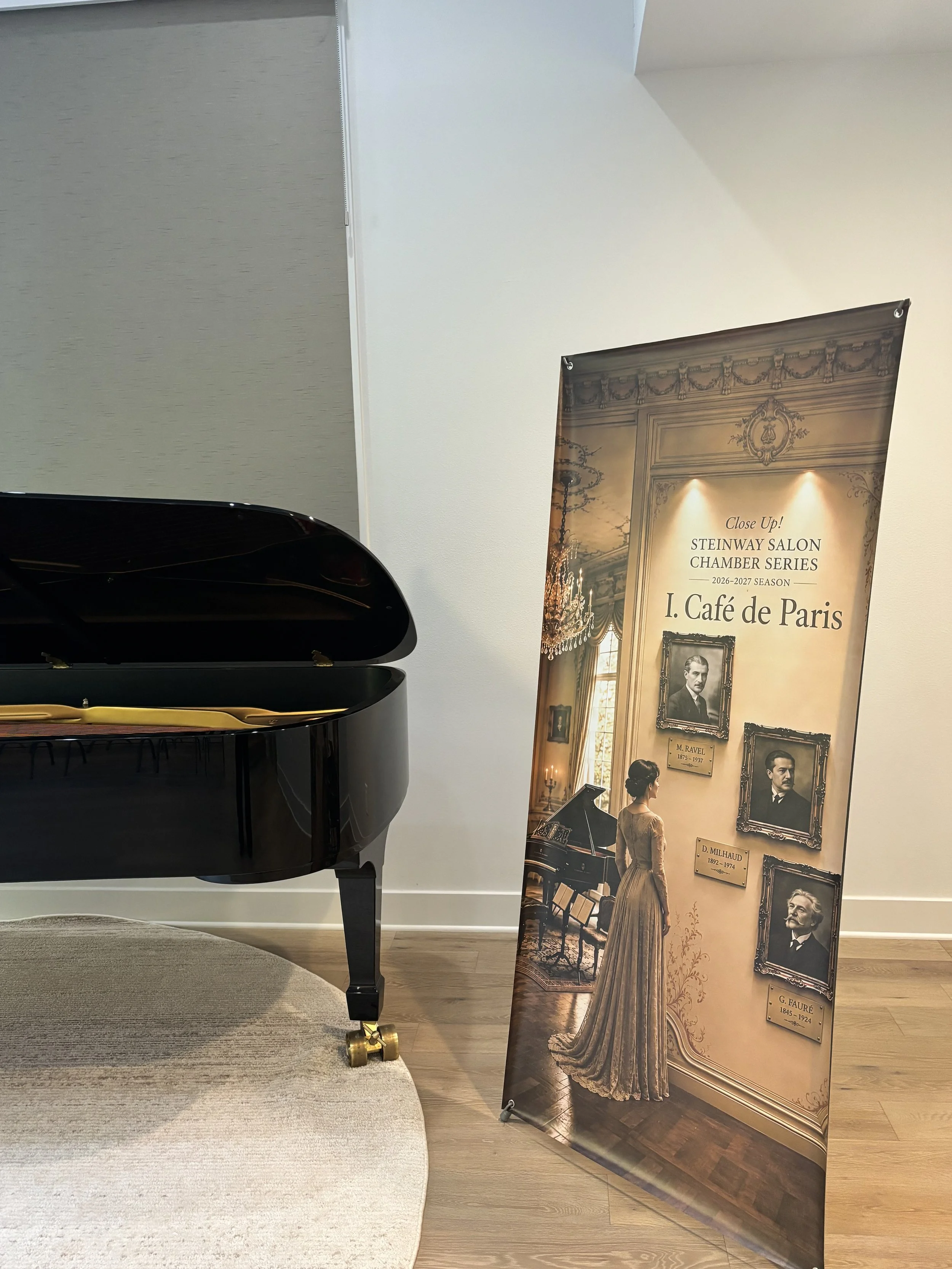
The Spirit of the Parisian Salon
During the Belle Époque, musical salons flourished in Paris, bringing together composers, performers, patrons, and music lovers in intimate settings. Inspired by this tradition, Café de Paris brings together works by three French composers from different generations, offering a glimpse into the richness and variety of French chamber music.
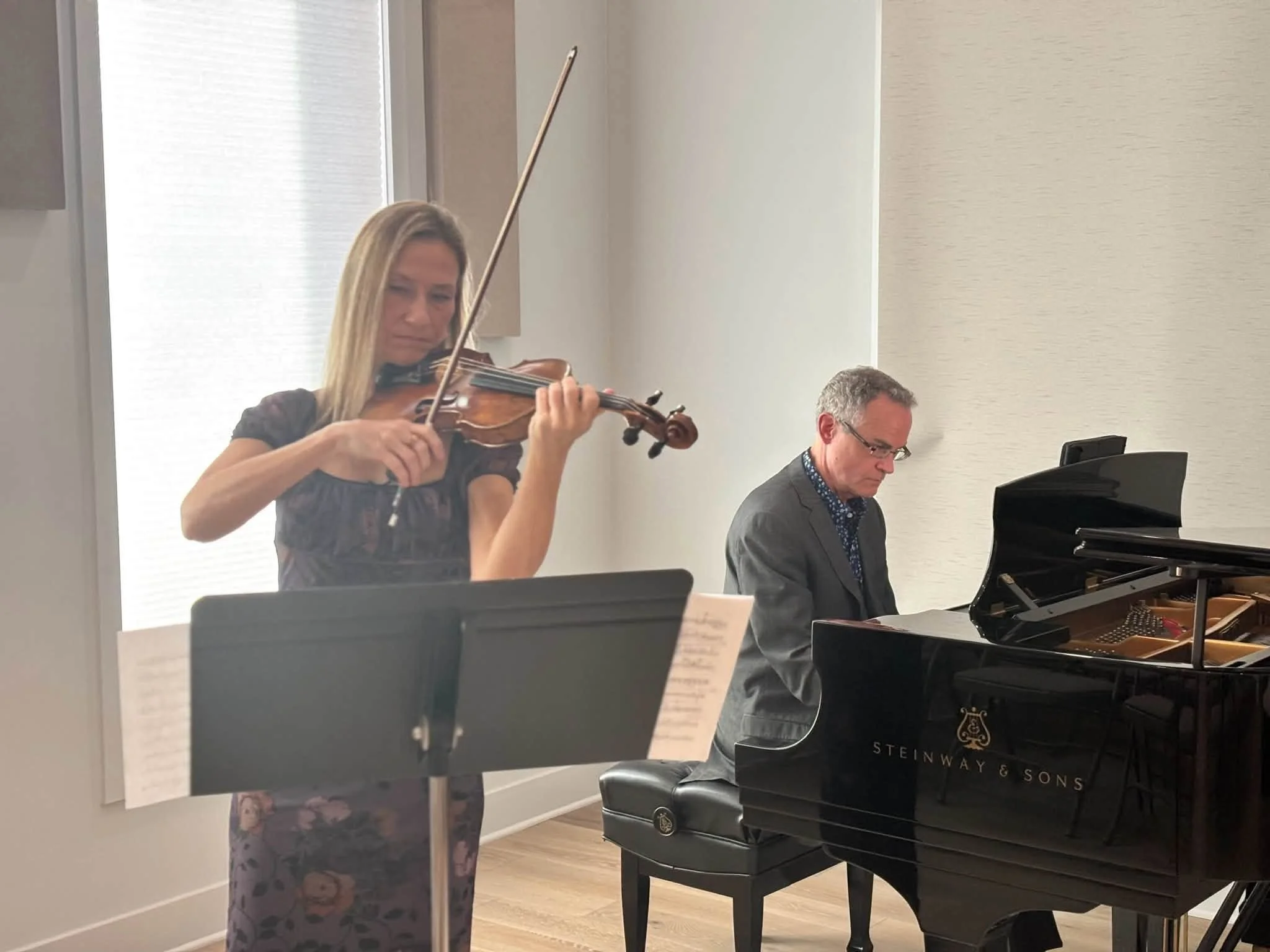
Maurice Ravel (1875–1937) — Violin Sonata No. 1 in A minor
Composed in 1897, this single-movement sonata is also known as Sonate posthume, having been rediscovered and published in 1975, long after Ravel's death. Far less familiar than his later Violin Sonata No. 2, this early work nevertheless reveals a young composer developing his distinctive musical voice through lyrical melodies and rich harmonies.
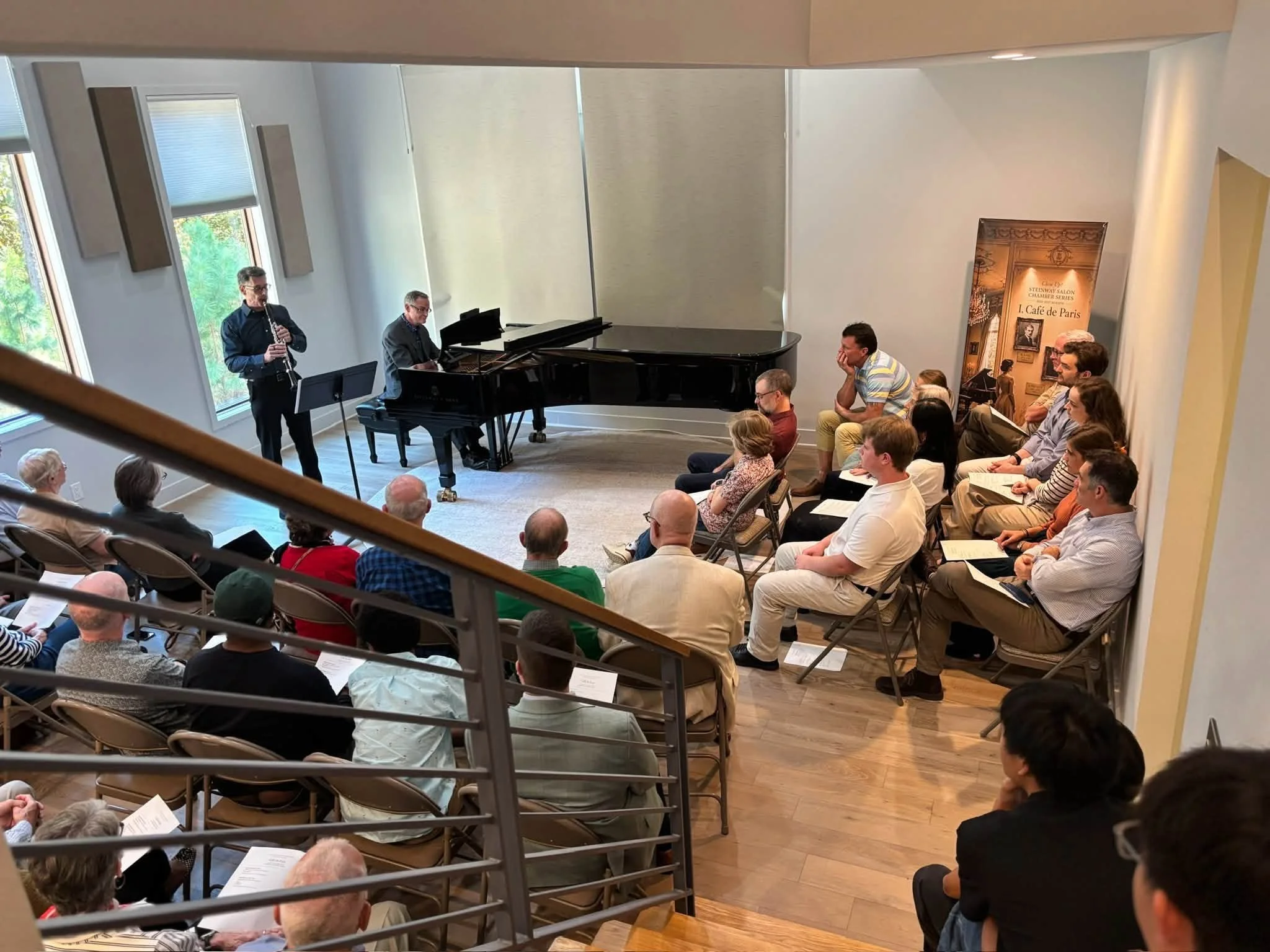
Darius Milhaud (1892–1974) — Scaramouche, Op. 165
Composed in 1937, Scaramouche draws on music Milhaud wrote for the theater. Its first published version was for two pianos, and the suite later appeared in other instrumental arrangements, including clarinet and piano. With its playful rhythms, theatrical character, and Brazilian-inspired finale, the clarinet version is particularly well suited to the intimate setting of a salon concert.
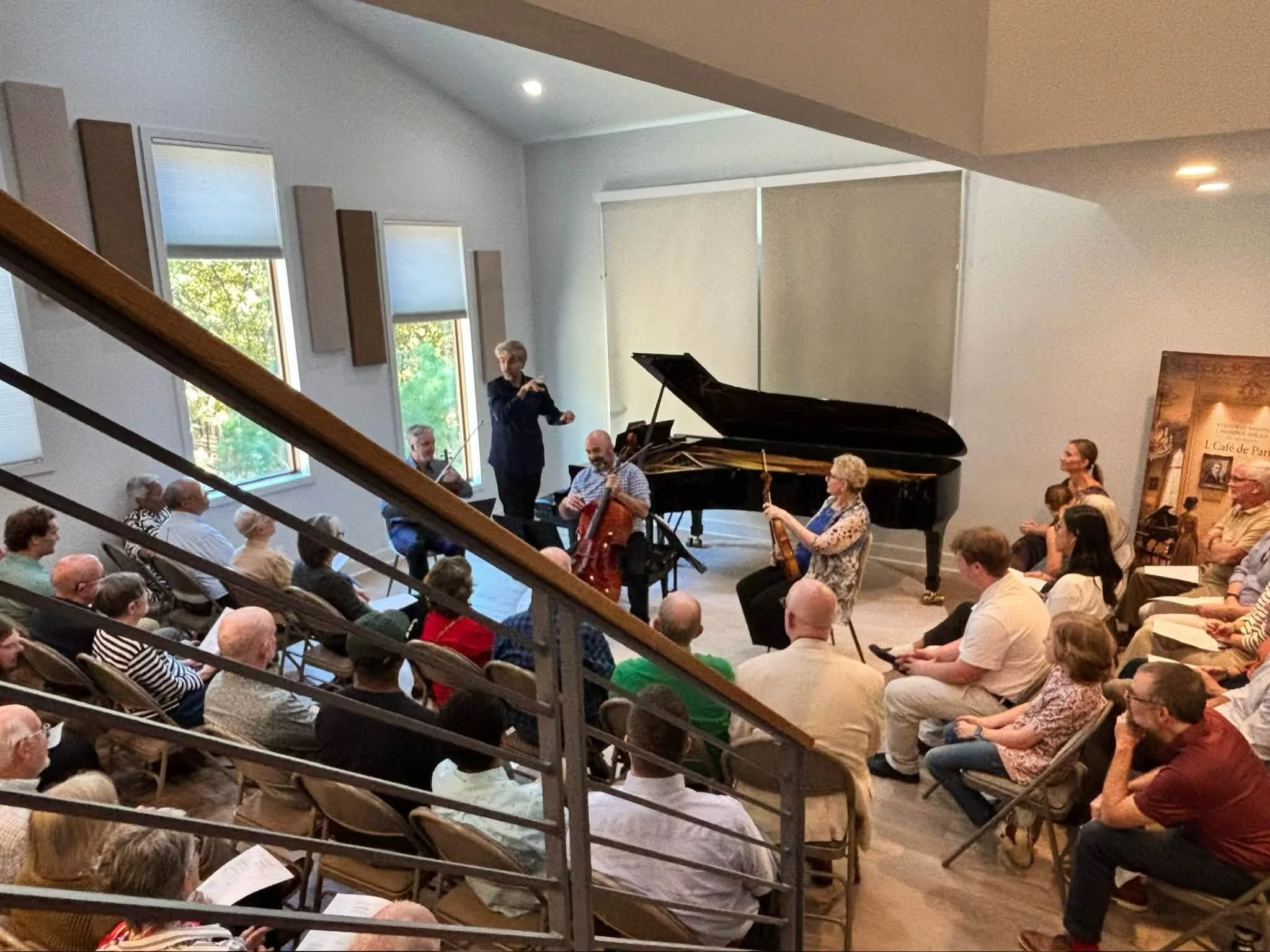
Gabriel Fauré (1845–1924) — Piano Quartet No. 1 in C minor, Op. 15
Composed between 1876 and 1879, Fauré's First Piano Quartet is an early example of his distinctive approach to chamber music. The vigorous opening movement gives way to a lighthearted Scherzo, followed by an Adagio of remarkable emotional depth. Dissatisfied with the original finale, Fauré rewrote it in 1883, creating a powerful conclusion that brings the quartet to a triumphant close.
Program Notes
On Stage & Beyond
Audience Reflections
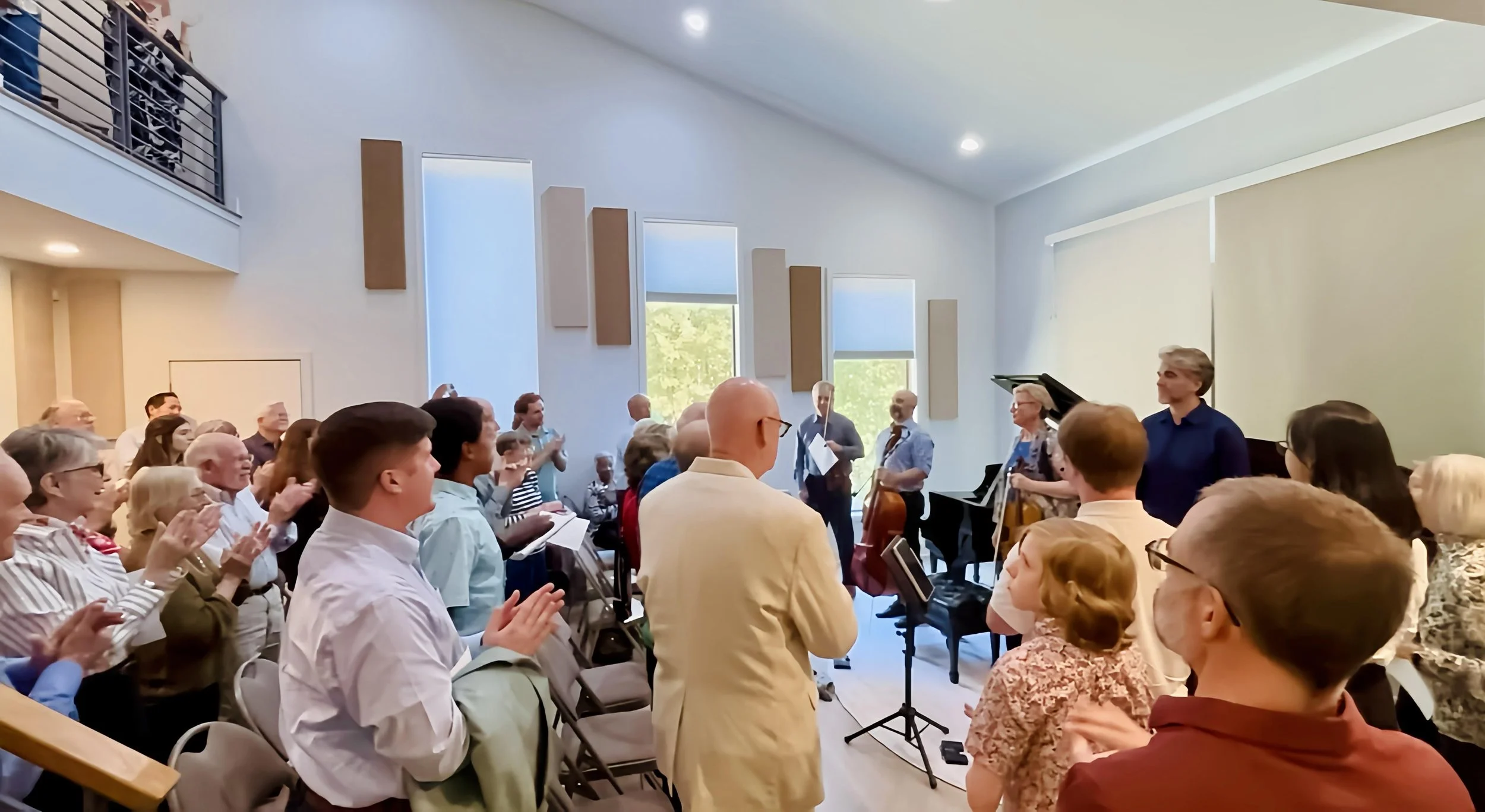
What a perfect season beginning for “Close Up!” Steinway Salon Chamber Series! The musicians all embodied the essence of a Parisian salon and left their audience wanting more. This chamber music series has become a “can’t miss” on my calendar.
- Jeanette Hamilton